
Blog
Shipping a Tiny Keyboard Product: From BOM to Packaging
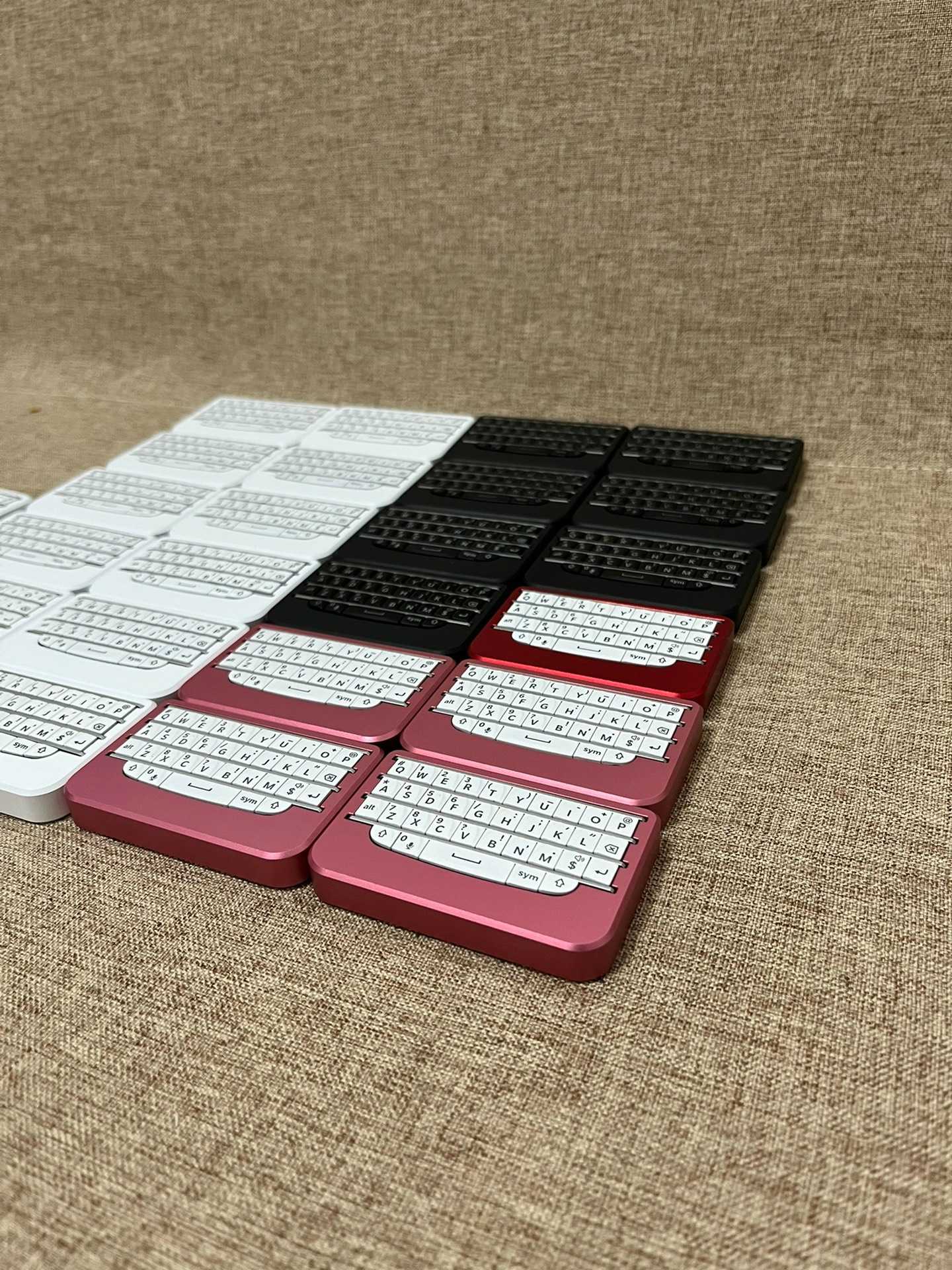
Oct
Understanding the Economics of Shipping a Compact Keyboard: From components to Packaging
Analyzing Unit economics
When it comes to shipping a compact keyboard, understanding unit economics is crucial. this involves evaluating the costs associated with materials, assembly, quality assurance (QA), regulatory compliance, and packaging. each element plays a notable role in determining the overall profitability of the product.
Material Costs
The foundation of any product lies in its materials. For a tiny keyboard, this includes not only the keys and circuit boards but also housing components and wiring. Sourcing high-quality yet cost-effective materials can significantly impact production expenses. Recent trends indicate that manufacturers are increasingly opting for enduring materials to appeal to environmentally conscious consumers while maintaining competitive pricing.
Assembly process
Once materials are procured, they must be assembled efficiently. The assembly process for compact keyboards often involves automated machinery alongside skilled labor to ensure precision and speed. Streamlining this process can lead to reduced labor costs and faster turnaround times—key factors in meeting market demand.
Quality Assurance Protocols
Quality assurance is an essential step that cannot be overlooked when producing electronic devices like keyboards.Implementing rigorous QA protocols ensures that each unit meets industry standards before reaching consumers. This includes functionality tests and also durability assessments under various conditions—critical for maintaining brand reputation.
Regulatory Compliance: CE/FCC Marks
in today’s global market, compliance with regulatory standards such as CE (Conformité Européenne) and FCC (Federal Communications Commission) marks is non-negotiable for electronic products sold in Europe and North America respectively. These certifications not only validate safety but also enhance consumer trust in your product’s reliability.
Testing Scope
The testing scope required for obtaining these certifications typically encompasses electromagnetic compatibility tests along with safety evaluations related to electrical hazards or fire risks. Engaging accredited laboratories early in the development phase can expedite this process while ensuring adherence to all necessary regulations.
User Documentation: Insert Cards
To enhance user experience right out of the box, including insert cards with swift-start guides is highly beneficial. These guides shoudl provide clear instructions on setup procedures along with troubleshooting tips tailored specifically for compact keyboards.
Pressure/Force Guide
Additionally, incorporating a pressure or force guide within these documents can help users understand optimal keypress techniques—improving their typing experience significantly while reducing wear on components over time.
Conclusion: A Comprehensive Approach
Shipping a tiny keyboard requires meticulous attention from sourcing raw materials through assembly processes all the way to final packaging stages—all while ensuring compliance with relevant regulations and providing valuable user documentation. By focusing on each aspect of unit economics effectively, businesses can optimize their operations leading towards greater customer satisfaction and enhanced profitability.
