Blog
The Ergonomics Of Thumb Typing On Physical Keys
Jan
Teh Science Behind Thumb Typing on physical keyboards
Optimized Key Design for Enhanced Accuracy
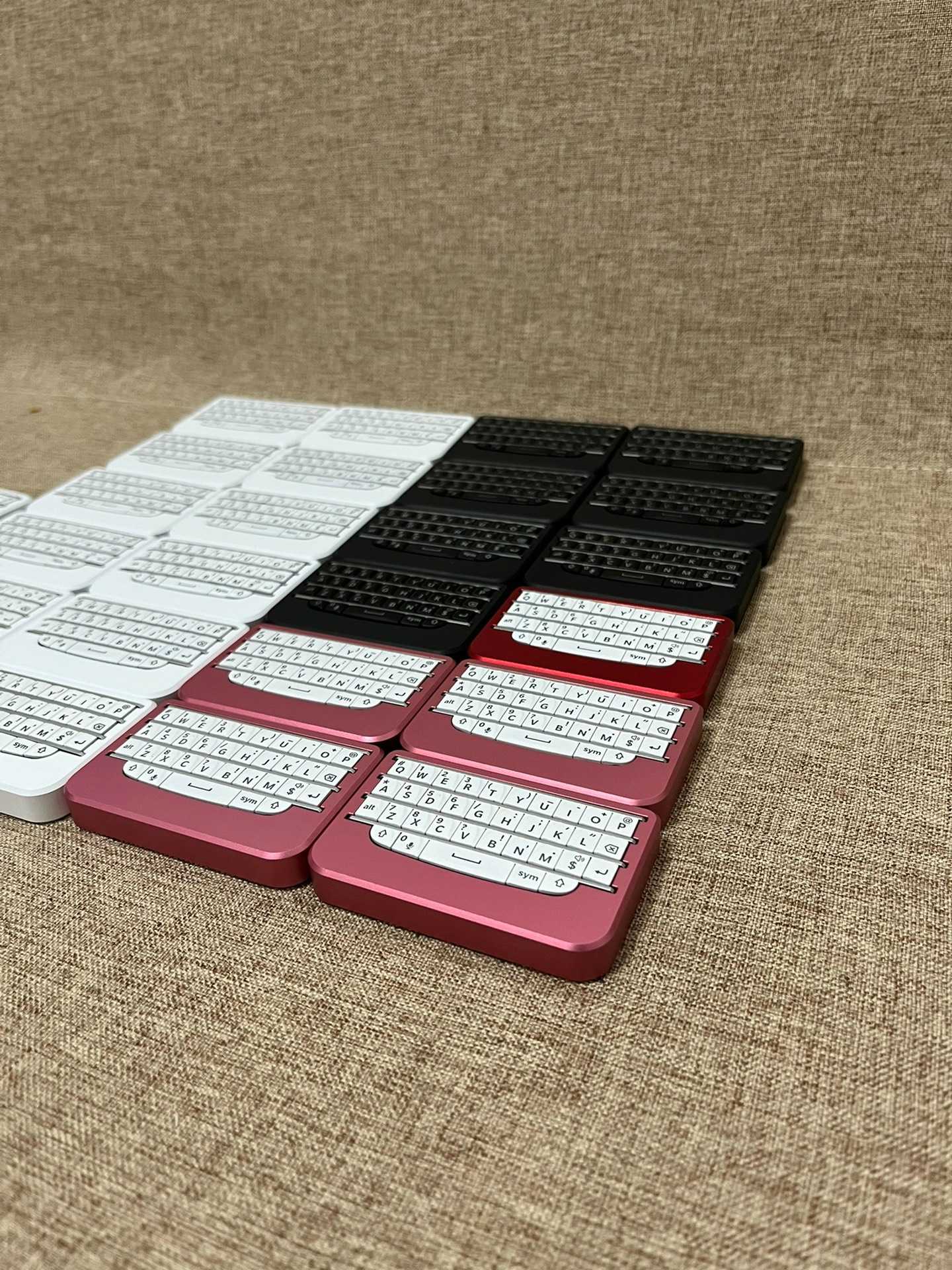
Sculpted key frets are ingeniously designed to direct the thumbs toward the center of each letter, facilitating a more accurate typing experience. This thoughtful arrangement not only enhances precision but also minimizes the likelihood of hitting adjacent keys, which can lead to frustrating errors. By creating a natural pathway for thumb movement, these key layouts considerably improve overall typing efficiency.
Feedback Mechanisms That Enhance Comfort
The incorporation of audible click feedback serves as an essential feature in modern keyboards. This auditory response reduces the tendency to strike keys with excessive force, allowing users to type more comfortably and with less effort. The sound acts as a confirmation that a key has been successfully pressed,promoting a lighter touch and reducing finger fatigue during extended typing sessions.
Ergonomic Balance for Extended Use
Maintaining proper device balance is crucial in preventing wrist strain while engaging in prolonged messaging activities. A well-balanced keyboard ensures that wrists remain in a neutral position, minimizing discomfort and potential injuries associated with repetitive motions.By prioritizing ergonomic design principles, manufacturers create devices that support healthy posture and enhance user experience over time.
Conclusion: Embracing Ergonomics for Better Typing
understanding the ergonomics involved in thumb typing on physical keyboards can lead to improved comfort and efficiency. With features like sculpted key frets guiding thumb placement, responsive feedback mechanisms reducing unneeded forceful keystrokes, and balanced designs preventing wrist strain—users can enjoy an optimized typing experience tailored for their needs. As technology continues to evolve, embracing these ergonomic advancements will be vital for anyone looking to enhance their digital communication skills effectively.
