
Blog
Designing a Two?Layer Mini Keyboard: PCB + Domesheet Basics
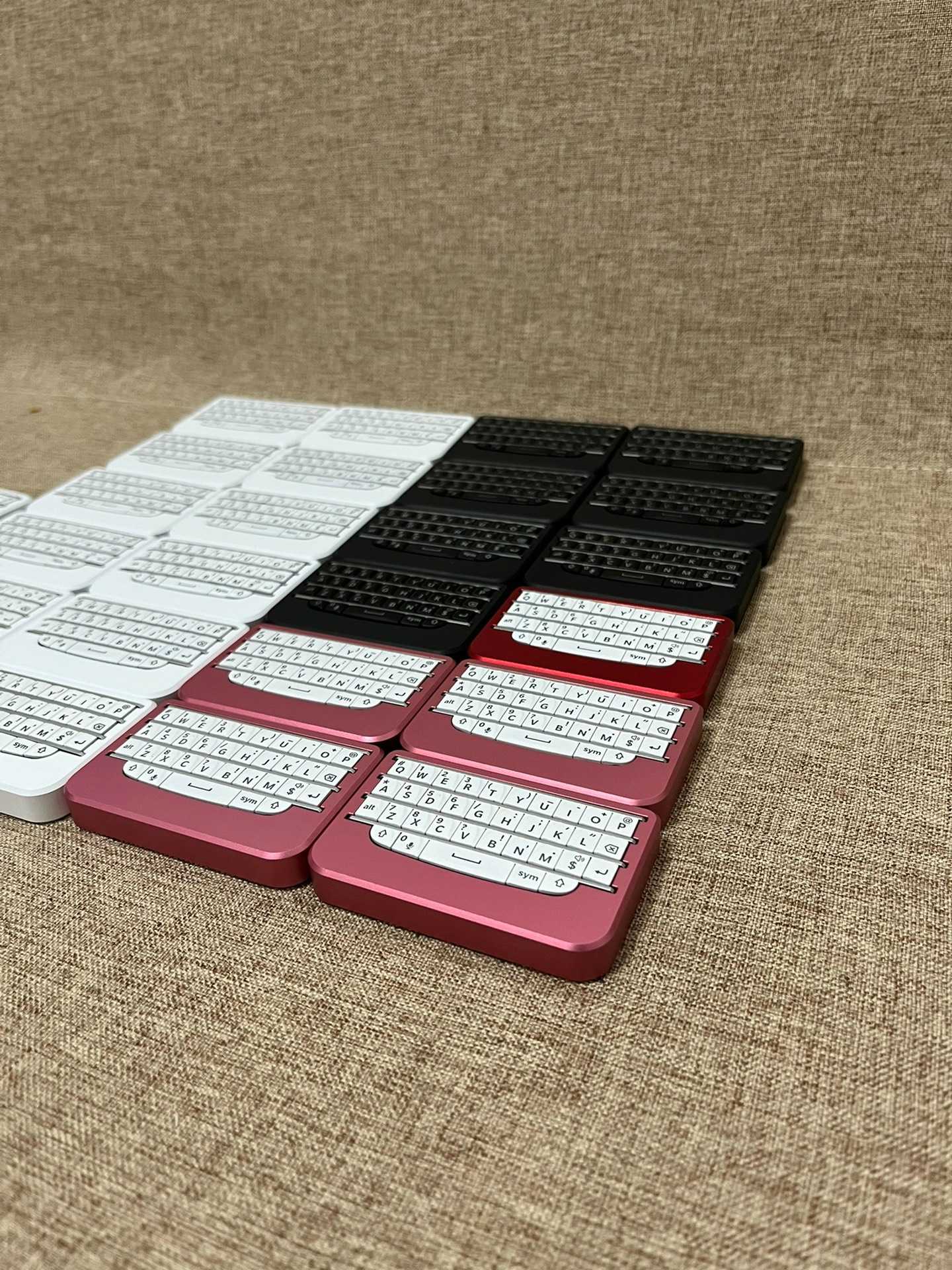
Oct
Crafting a Two-Layer Mini Keyboard: Fundamentals of PCB and Domesheet Design
Understanding the Standard Stack-Up
When designing a two-layer mini keyboard, it’s essential to grasp the typical stack-up configuration. The foundational layer is usually made from FR-4,a widely used material in printed circuit boards (PCBs) due to its excellent electrical insulation properties and mechanical strength. Above this layer lies the domesheet, which plays a crucial role in providing tactile feedback during key presses. This combination forms the core structure that supports functionality and user experience.
Exploring connection Options: FPC vs Board-to-board vs Pogo Connectors
In terms of connectivity, designers have several options to consider:
- Flexible Printed Circuit (FPC): This option offers flexibility and can be easily integrated into compact designs. FPCs are ideal for applications where space is at a premium.
- Board-to-Board Connectors: these connectors provide robust connections between different PCBs within the device, ensuring reliable communication while maintaining structural integrity.
- Pogo Pins: known for their spring-loaded design, pogo pins facilitate temporary connections that can be beneficial for testing or modular designs.
Each connection type has its advantages depending on factors such as space constraints, assembly processes, and intended use cases.
Assembly Sequence Insights
The assembly process of a two-layer mini keyboard requires careful planning to ensure efficiency and accuracy:
- Initial Readiness: Begin by preparing all components—PCB layers should be cleaned thoroughly before assembly.
- Layer Alignment: Align the domesheet wiht precision over the PCB to ensure proper key placement.
- Connector Installation: Depending on yoru choice of connectors (FPC, board-to-board or pogo), install them carefully while considering their orientation for optimal performance.
- Final Assembly: Once all components are aligned correctly, secure them together using appropriate adhesives or fasteners designed for electronic assemblies.
fit Tolerance Considerations
Achieving precise fit tolerances is critical in keyboard design as it directly impacts functionality:
- Ensure that there’s minimal gap between keys when pressed; this enhances user experience by providing consistent feedback.
- Utilize CAD software during design phases to simulate fit tolerances accurately before physical production begins.
by adhering to these guidelines throughout your design process—from stack-up configurations through connector choices and assembly sequences—you can create an efficient two-layer mini keyboard that meets both functional requirements and user expectations effectively.
