
Blog
3D?Printing a Pocket Keyboard Case: Materials and Finishes
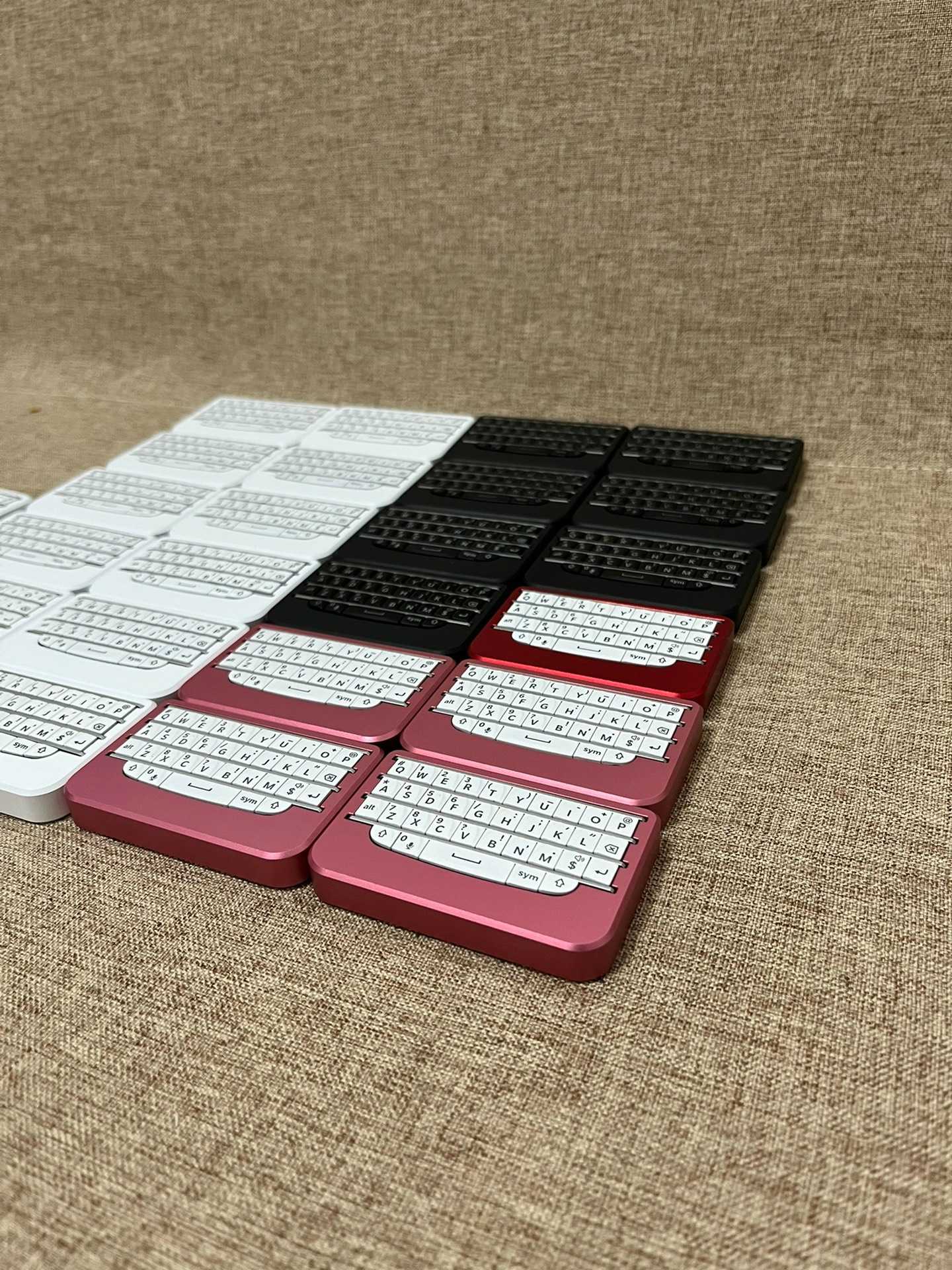
Oct
Crafting a Pocket Keyboard Case with 3D Printing: A Material Comparison
Understanding Material Choices: PLA, ABS, and Nylon
When embarking on the journey of 3D printing a pocket keyboard case, selecting the right material is crucial. The three most popular options are Polylactic Acid (PLA),acrylonitrile Butadiene Styrene (ABS),and nylon. Each material has its unique properties that can significantly impact the final product.
PLA: The Eco-Friendly Option
PLA is renowned for being biodegradable and easy to print with. It offers excellent detail and vibrant colors, making it an attractive choice for aesthetic-focused projects. Though, while PLA provides decent strength, it may not withstand high temperatures as effectively as other materials.This could be a consideration if your keyboard case will be exposed to heat or direct sunlight.
ABS: Durability Meets Versatility
On the other hand,ABS is celebrated for its robustness and resilience against impacts. It’s less prone to warping during printing compared to PLA but requires higher temperatures during both printing and post-processing stages. This makes it suitable for functional parts that need to endure wear over time but may necessitate additional care in handling due to its tendency to emit fumes when heated.
nylon: Strength Redefined
Nylon stands out as one of the strongest materials available for 3D printing cases. Its flexibility allows it to absorb shocks better than both PLA and ABS; though, this comes at a cost—nylon can be challenging to print due to its propensity for warping if not managed correctly during the process.
Precision Matters: Tolerances in Design
When designing your pocket keyboard case, attention must be paid not only to aesthetics but also functionality—particularly regarding key openings and standoffs. Ensuring precise tolerances is essential; too tight might hinder key movement while too loose could lead to instability in assembly.
A general rule of thumb is maintaining a tolerance of around 0.2mm between moving parts like keys or standoffs within your design files before sending them off for printing.
Achieving a Premium Finish
To elevate your printed keyboard case from basic functionality into somthing truly premium requires some post-processing techniques such as sanding, priming, and coating:
Sanding Techniques
Start by sanding down any rough edges or surfaces using progressively finer grits until you achieve a smooth finish that feels pleasant in hand.
priming Your Print
Applying primer serves two purposes—it enhances adhesion when applying paint or coatings while also providing an even base color that can definitely help hide imperfections from the print itself.
Coating Options
consider adding protective coatings such as clear acrylic spray or specialized paints designed specifically for plastics which can enhance durability against scratches while giving your project an eye-catching sheen.
Conclusion: Making Informed Choices
choosing between PLA, ABS, or nylon depends on what attributes you prioritize—be it ease of use with PLA’s eco-friendliness or nylon’s superior strength capabilities suited for demanding applications like portable electronics cases.
By understanding these materials’ strengths alongside proper design considerations regarding tolerances—and investing time into finishing touches—you’ll create not just any pocket keyboard case but one that stands out both functionally and aesthetically!
