Blog
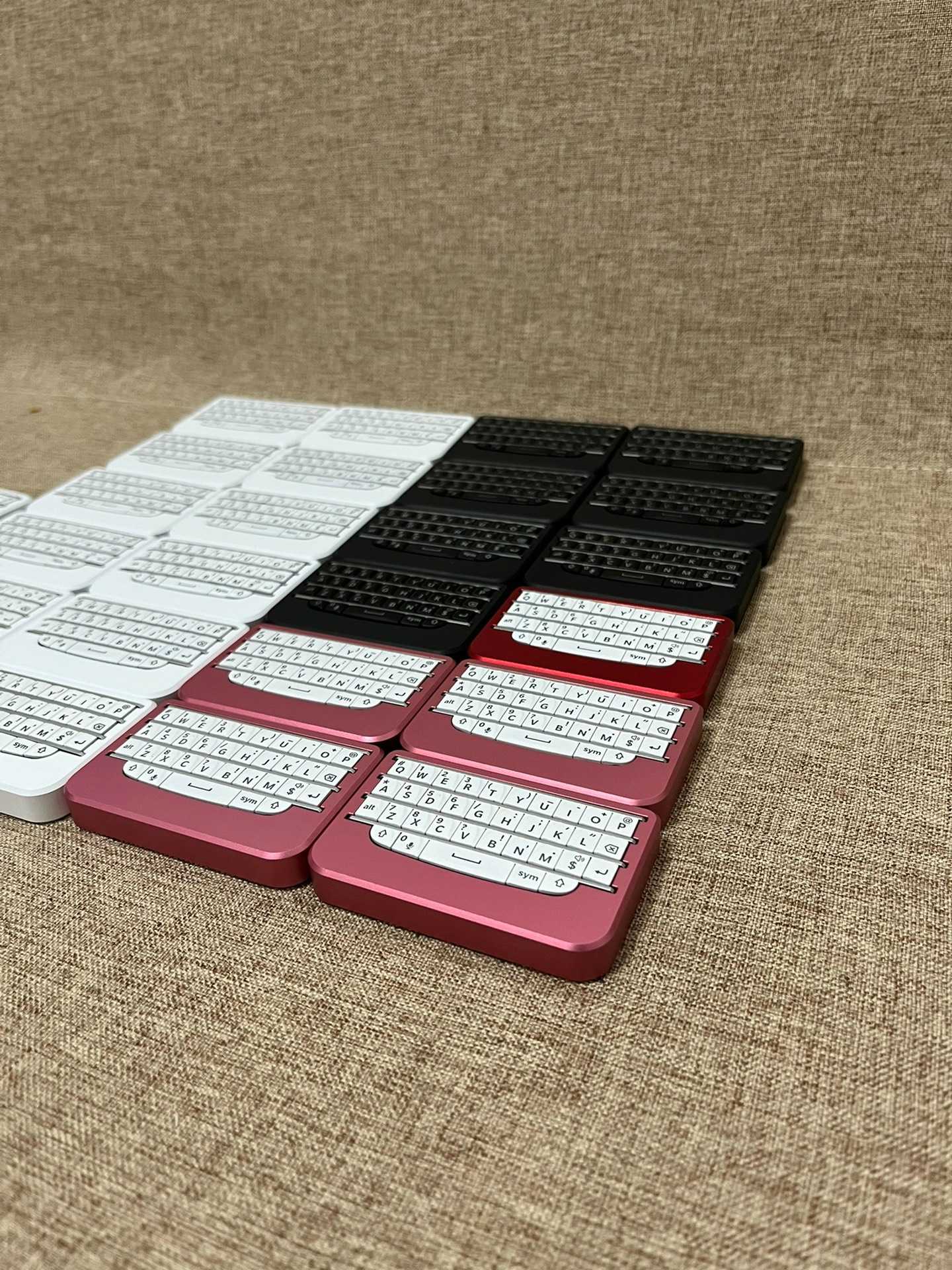
Transitioning from touchscreen typing to a physical bbkeyboard
Apr
Adapting to Mechanical Keyboards: A Guide to Transitioning from Touchscreen Typing
Understanding Muscle Memory in Keyboard Use
When shifting from touchscreen typing to a mechanical keyboard,it’s essential to recognize that muscle memory plays a crucial role in this transition. Typically, it takes about a week for your fingers to adjust fully to teh physical distance between keys on a mechanical keyboard. This adjustment period is vital for developing the necessary tactile familiarity with each key.
rebuilding Tactile Accuracy
To facilitate this adaptation process,start by typing slowly and deliberately. Focus on crafting well-structured paragraphs that allow you to concentrate on accuracy rather than speed. This method will help reinforce your understanding of key placements and improve your overall typing precision.
Temporarily Disabling Autocorrect Features
Another effective strategy during this transition is to disable any digital autocorrect functionalities on your device temporarily. By doing so, you will compel yourself to learn the exact locations of each key without relying on automated corrections. This practice encourages greater awareness of finger placement and enhances your ability to type accurately over time.
Conclusion: Embracing the Change
Transitioning from touchscreen devices to mechanical keyboards may seem challenging at first; however, with patience and practice, you can master this new skill set effectively. By focusing on purposeful typing exercises and minimizing reliance on technology aids like autocorrect, you’ll soon find yourself typing with confidence and efficiency.
