Blog
BB Q10 Keyboard Mod: Turn Salvaged Parts into a Pocket Keyboard
Oct
Transforming Salvaged Components into a Compact Keyboard: The BB Q10 Mod
Essential Components for Your Project
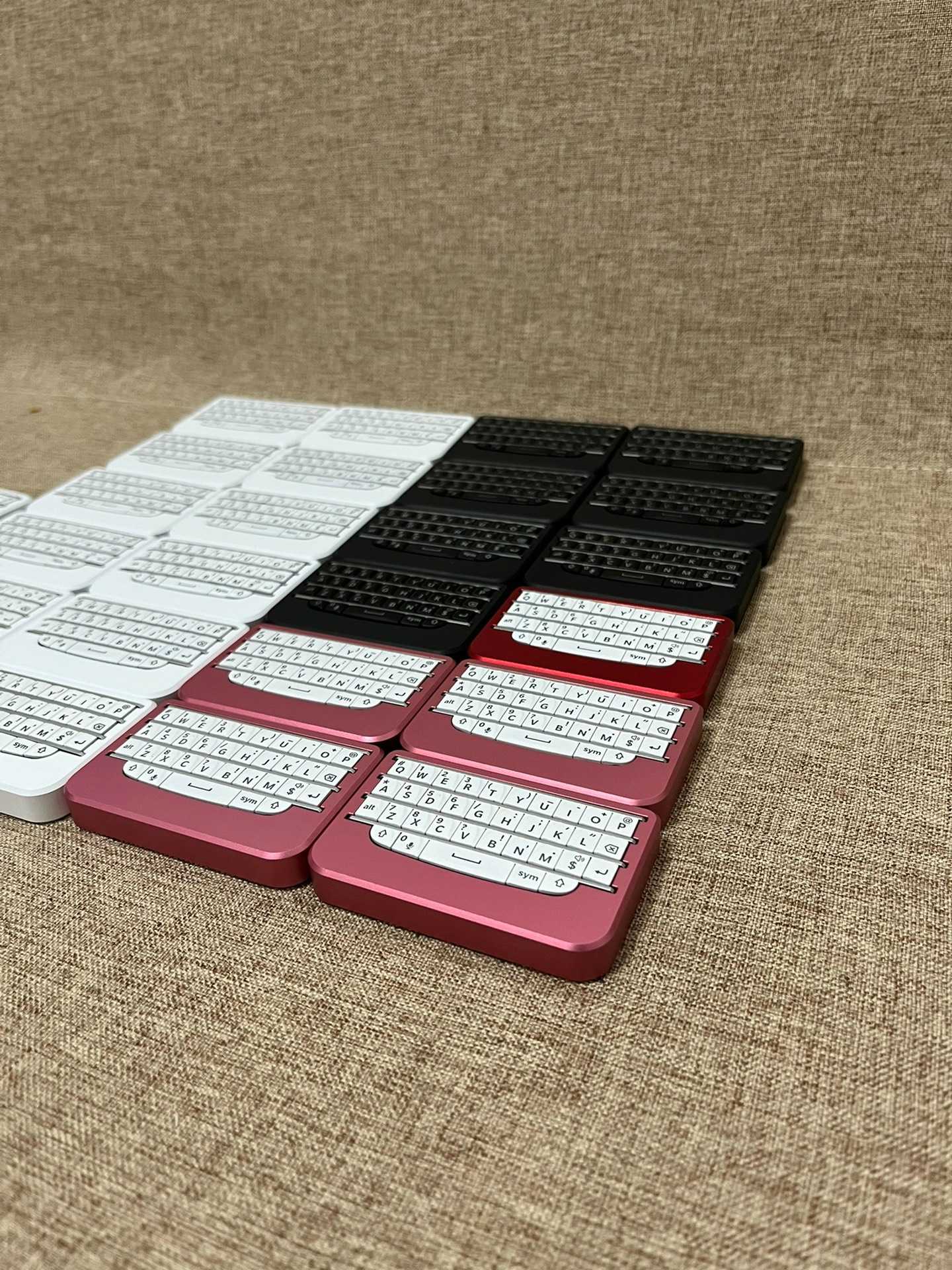
To embark on your journey of creating a pocket-sized keyboard using salvaged parts, you will need the following components:
- Q10/Q20/P9981 Module: This serves as the core of your keyboard, providing essential functionality and connectivity.
- Controller: A crucial element that manages input signals; consider using an nRF52840 for it’s robust performance.
- Enclosure: A protective case to house all components securely while maintaining portability.
- Power Source: A reliable battery to ensure your keyboard remains functional on the go.
Understanding Controller Selection and Firmware basics
When selecting a controller, the nRF52840 is highly recommended due to its advanced features and compatibility wiht various firmware options. ZMK firmware is particularly noteworthy as it allows for extensive customization and supports Bluetooth connectivity. Familiarizing yourself with ZMK’s configuration can significantly enhance your keyboard’s capabilities.
3D Printing Insights for Custom Cases
Creating a custom case through 3D printing can elevate both aesthetics and functionality. Here are some tips to achieve optimal results:
- design Considerations: Ensure that your design accommodates all internal components snugly while allowing easy access to ports.
- Material Choice: Opt for durable materials like ABS or PETG that withstand daily wear and tear.
- Print Settings: Adjust layer height,infill density,and print speed based on desired strength versus print time.
Assembly Process: Mounting Components Effectively
Once you have printed your case, it’s time to assemble everything meticulously:
- Begin by securing the Q10/Q20/P9981 module within the enclosure using screws or adhesive mounts.
- Next, install the controller in proximity to facilitate efficient wiring connections without excessive strain on cables.
- Align keyframes accurately over switches before finalizing their placement; this ensures smooth operation when typing.
Ensuring Keyframe Alignment
Proper alignment of keyframes is vital for an enjoyable typing experience:
- Use visual guides during assembly to maintain uniform spacing between keys.
- Test each key’s responsiveness after installation; adjustments may be necessary if any keys feel misaligned or unresponsive.
By following these guidelines, you can successfully transform salvaged parts into a functional pocket keyboard that meets modern standards of usability and convenience!
