
Blog
Accessibility Benefits Of Tactile Mobile Keyboards
Jan
Teh Advantages of Tactile Mobile Keyboards for Users with Visual Impairments
Enhancing Navigation for the Visually Impaired
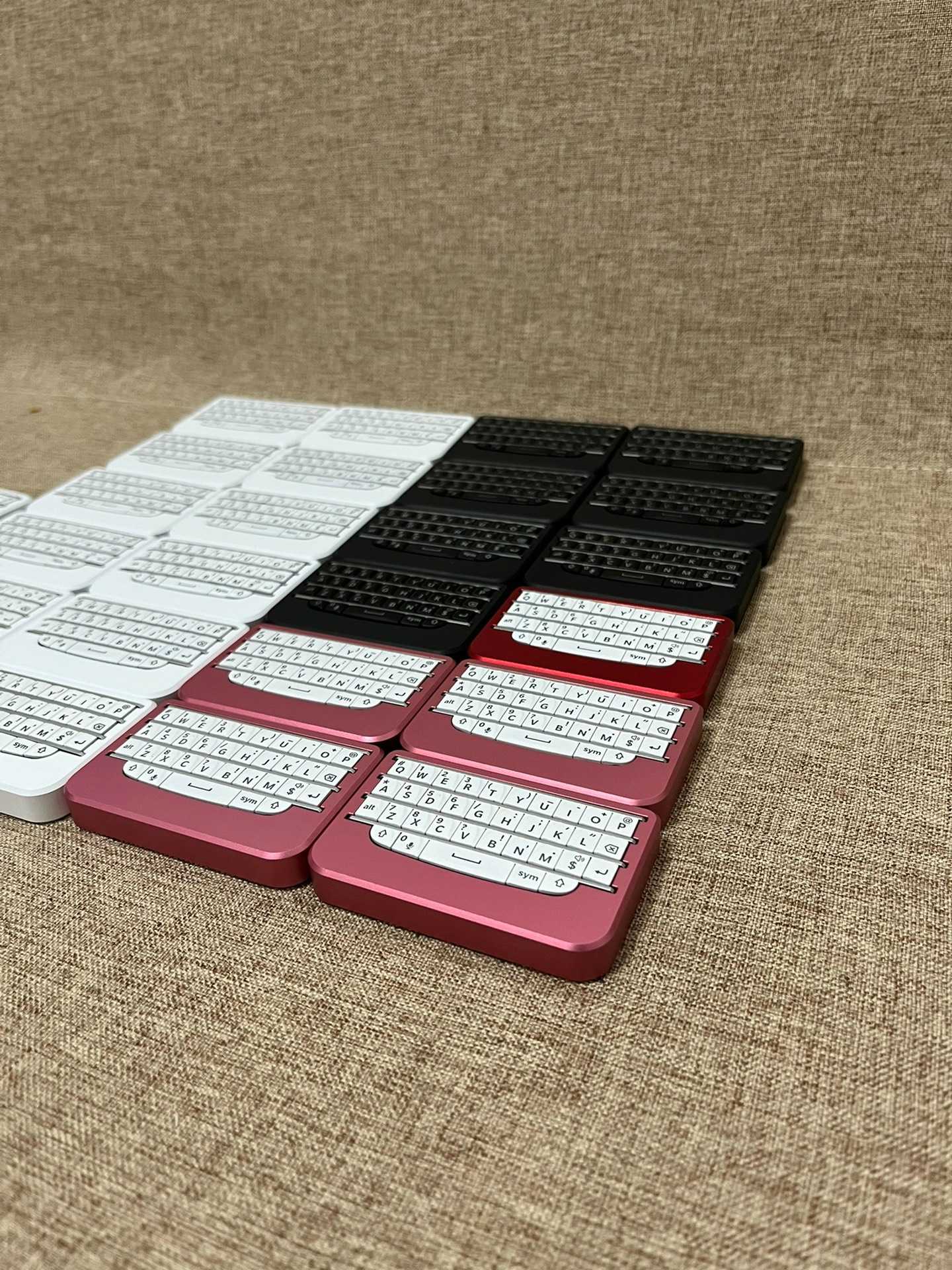
Individuals who are blind or have low vision often depend on tactile features to navigate their devices effectively. Physical key borders serve as essential guides, allowing users to orient their fingers accurately on a mobile keyboard. This tactile feedback is crucial in ensuring that they can type confidently and efficiently without relying solely on auditory cues.
The Role of Tactile Markers in User Experience
One significant feature of tactile mobile keyboards is the presence of raised markers, especially on keys like the number five. These markers act as reference points, enabling users to locate their position quickly and center their fingers even when they cannot see the screen. By providing a physical touchpoint, these keyboards enhance usability and reduce frustration during typing tasks.
Confirming Input Through Physical Feedback
Another advantage of tactile keyboards is that they offer immediate physical feedback upon pressing a key. This confirmation allows users to know that their input has been registered without needing voiceover announcements or additional auditory signals. Such feedback not only streamlines the typing process but also fosters greater independence among visually impaired individuals.
Current Trends and Statistics in Assistive Technology
Recent studies indicate that approximately 285 million people worldwide experience some form of visual impairment, highlighting the importance of accessible technology solutions like tactile mobile keyboards. As assistive technology continues to evolve, manufacturers are increasingly focusing on creating products that cater specifically to this demographic’s needs.
tactile mobile keyboards play an indispensable role in enhancing accessibility for blind and low vision users by providing essential orientation tools through physical markers and feedback mechanisms. As awareness grows about these technologies’ benefits,it becomes imperative for developers to prioritize inclusivity in design practices moving forward.
